

Titro: Multilingual SEO and Meta Tracking for a Subtitle App
How NextAds runs Titro's English and German search pages, links them to its Albanian site, and reports trials and subscriptions to Meta through the Pixel and Conversions API.
- Client
- Creator tools · automatic subtitles for video
- Live site
- titro.live ↗
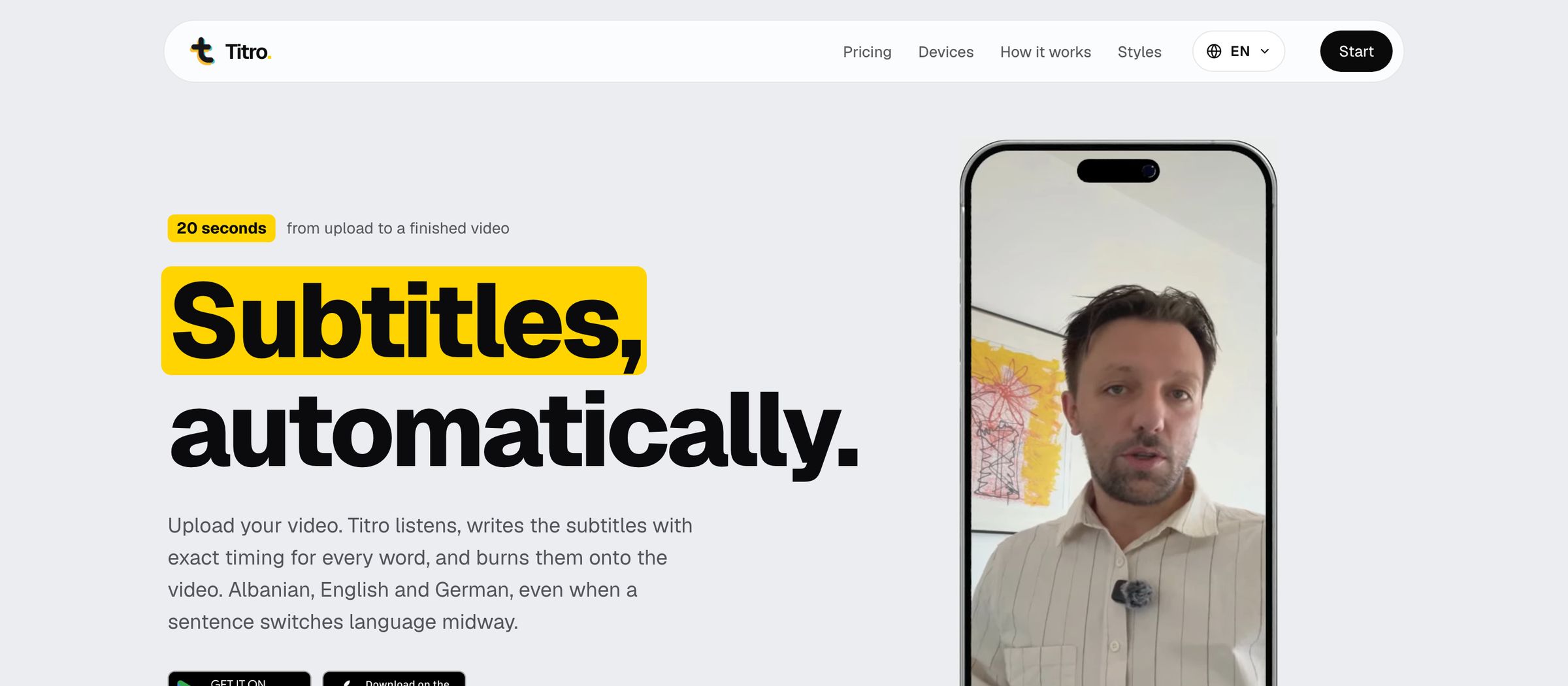
This multilingual SEO case study covers Titro, an app that writes word-timed subtitles for videos in Albanian, English and German, on iPhone, Android and the web. NextAds runs Titro’s English and German search pages on titro.live and their links to the Albanian site, its Meta Pixel and Conversions API tracking, and the briefs for its Meta ad creative.
Below is how that work is put together as of October 24, 2026, with every count taken from the live sites that day.
Who Titro sells to, and what they search for
Titro’s buyers talk to a camera and post the result: creators on TikTok, Instagram Reels and YouTube Shorts, podcasters and interviewers with long recordings, and agencies, media companies and newsrooms that subtitle for clients. Many are Albanian speakers in Kosovo and Albania, or in Albanian families in Germany, Switzerland and Austria, who switch into English or German mid-sentence. Titro understands both main Albanian dialects, Gheg and Tosk, and keeps up when a sentence changes language.
At the end of September 2026, as titro.live went up, we pulled Google Keyword Planner data, moved the first pages onto the phrases people actually search and added new ones. Four findings shaped the site:
The two largest phrases were about transcribing video to text and about teleprompter apps. Titro does both: it timestamps every word, and its app has a teleprompter built into the camera.
In English, “captions” phrases came up at least as often as “subtitles” phrases, so each page uses its searchers’ word: TikTok captions, podcast subtitles.
Searches for an alternative to CapCut, Opus Clip, Descript, Submagic, VEED and the Captions app all showed up.
Transcription led in German too, followed by “untertitel erstellen” (create subtitles). German searches naming TikTok, Reels or podcasts barely registered.
How titro.live is organized
Titro’s English and German site, titro.live, went up at the end of September 2026. On October 24, 2026 its sitemap listed 94 pages, 53 in English and 41 in German:
25 in English and 20 in German, each built on one search phrase: auto subtitle generator, TikTok captions, podcast subtitles, transcribe video to text, SRT file generator, teleprompter app for iPhone and more.
Six “alternative” pages, for CapCut, Submagic, the Captions app, VEED, Opus Clip and Descript, and a guide comparing nine auto subtitle apps, in English only.
15 posts in English, each with a German version.
A working tool page, in English and German.
Two homepages, two blog indexes, and privacy, terms and refund pages in each language.
All 25 English use-case pages run in the same order, so a reader from search finds each answer in the same place:
- 1
A headline that repeats the search phrase, such as “A caption generator that listens to every word.”
- 2
Four numbered points on what a tool for that job should do.
- 3
Four steps in Titro, from upload to export.
- 4
The details people ask next, such as limits, long recordings and each social feed.
- 5
Common questions, answered on the page.
- 6
Links to the page for each place people post, then a button to start.
The use-case and comparison pages show screens from the current app. Every footer links the App Store, Google Play and Titro Studio, the web editor at app.titro.live, so a phone reader can install the app and a desk reader can open the editor. The homepage links 12 guides and comparisons, and each blog post ends with two more posts and related guides.
Hreflang across two domains and three languages
Titro’s Albanian site, titroshqip.com, came first and already held the Albanian pages, so they stayed there. Google accepts language versions on different domains, so the two sites name each other with hreflang annotations. Google only uses those when every page in a set points back at the others.
39 English pages have a German version under /de/, and every pair links both ways.
19 English pages point to their Albanian original on titroshqip.com, and all 19 Albanian pages point back.
The English page is the default.
The /sq/ section of titro.live shows the Albanian pages to readers who switch language there. Those copies name titroshqip.com as the original and stay out of the sitemap.
Fourteen English pages, including every comparison page, have no German version, and two German pages have no English one. One of those two covers bilingual subtitles and says plainly what Titro does not do: one export carries one language, mixed as spoken or fully translated.
Comparison pages built on dated sources
Someone choosing a subtitle app checks prices and limits on the competitor’s own site, so a comparison page only helps if its facts hold up. Each of Titro’s comparison pages ends with “Where these facts come from”: the vendor’s own pricing and help pages first, a third-party source only where the vendor publishes none, and the date each source was checked.
The pages also say where a competitor is ahead. Each of the six alternative pages has a “Choose CapCut when” list, or the same for VEED, Descript and the others, naming jobs the other app does better, such as heavy editing, many more languages or AI dubbing. The nine-app guide lists VEED and Kapwing beside Titro for Albanian, because both support it officially. Titro’s case rests on what it does differently: Gheg and Tosk, sentences that mix Albanian with English or German, and plans counted in minutes instead of credits.
Guides people search for, and a free teleprompter
The blog has 15 posts in each language, published between October 1 and October 20, 2026:
Translating Albanian video into English subtitles, removing background noise, cutting silence and filler words, two speakers, fixing misspelled names, the text-behind-person effect, animated caption styles, and adding a logo without covering the captions.
Reading a teleprompter, memorizing a script, and speaking pace in words per minute.
Burned-in subtitles against platform auto-captions, mixed-language videos, how long subtitling takes, and subtitles for Instagram Reels.
Each post is checked against how the app behaves, limits included. The noise post names the problem no filter fixes, and the names post says the personal dictionary learns a spelling once you make the same fix in two different videos.
We also write from titro.live’s Search Console data. When German searches about Instagram began to appear in early October, the Instagram Reels guide went up in English and German on October 5.
Teleprompter searches were among the largest in the data, and Titro’s app already had a teleprompter, so titro.live has a free online teleprompter that works on the page: paste a script, set the speed in words per minute, mirror the text for a beam-splitter rig, and read. It runs in the browser with no account, and the script stays on the device. The page links to the app’s teleprompter, where the subtitles follow what you actually said.
What search engines read behind the pages
All 94 titles are 60 characters or shorter, and every page has its own meta description.
Every page has a share image, and each blog post has its own.
The app is described as software for iOS, Android and the web, with its plans and store links. Blog posts are marked up as articles, and inner pages carry breadcrumbs.
One sitemap lists all 94 indexable pages with their language versions, and an IndexNow key lets new pages be announced to Bing and the other IndexNow search engines as soon as they go up.
Meta Pixel and Conversions API tracking
In mid-September 2026, Titro had no Meta Pixel, no Conversions API and no campaign data. It sells subscriptions on the web, and the two moments that matter most happen where a browser pixel can’t see them: a new user’s free first video finishing on Titro’s servers, and Paddle, its payment provider, confirming a subscription. So the tracking has a browser half and a server half.
Every page, once a visitor taps “Accept all”.
A new account’s free first video finishing. The event ID is tied to the account, so it is sent once per account.
Paddle confirming a new subscription, with value and currency. The event ID is the transaction ID, and renewals are not reported as new customers.
Server events carry the email address and the account ID, both hashed with SHA-256 before they leave. Meta requires the email to be hashed and recommends hashing the ID. At signup the account stores the ad’s UTM tags and, only for visitors who accepted all cookies, the browser identifiers Meta uses to match a click to a person. Meta can then credit a server event to the ad that started it, and Titro can count paying users per ad in its own records. Both Titro sites and its server send to one pixel ID, so both halves land in one dataset.
The browser side waits for consent. The Google tag starts in Consent Mode with advertising and analytics storage denied, and the Meta Pixel doesn’t load until a visitor taps “Accept all”. The banner appears in English or German by browser language. The server events are disclosed in Titro’s privacy policy, which names Meta, lists the three moments reported (a sign-up, the first finished video and a new subscription) and explains how to opt out of the server reports.
Ad creative briefed as a system
Our October briefs for Titro’s Meta ads set up each test to answer one question (more on sizing a test in how many ad creatives to test):
Three statics are briefed to test three reasons to click: proof (the same sentence without subtitles and with them), the promise (the search phrase beside a phone subtitled in Titro), and the pain (a question about time lost to subtitling, with the three steps that answer it). Same grid, footer and button, so the angle is the only variable.
The video plan uses three 15-second ads that share a body and end card and change only the first three seconds, so the test shows which opening earns the view.
The briefs require the subtitles in each ad to be a real Titro export, so the ad shows the product working.
The test plan puts Germany and Kosovo with Albania in separate ad sets with their own budgets, so Meta can’t shift money to the cheaper market before both are read.
A cold viewer has never heard of Titro, so the briefs never open a cold ad with a price or an offer.
The briefs set the Albanian copy in informal address and everyday words, keep headlines under 40 characters and primary text under 125, and rule out any speed or accuracy claim the clip itself doesn’t show.
What to copy from this multilingual SEO case study
- 1
Pull search data for every market that has it, build pages around the words people actually type, and check each page against what the product really does.
- 2
Put each language on its own URL and link every version to the others both ways, across domains when a language lives on another site.
- 3
Write comparison pages from competitors’ own pricing and help pages, date every source, and say where a competitor is ahead.
- 4
Send events that happen away from the browser, such as a first use or a payment, from your server, each with an ID tied to the real event.
- 5
Ask for consent before the pixel loads, and store the ad’s tags on the account so paying customers can be counted per ad.
For how we set up this kind of measurement, see conversion tracking and analytics and Meta Pixel vs Conversions API on Shopify. Our Meta ads agency page covers how we run campaigns, and the ad creative page covers statics and video edits. The Traverse case study covers another app client, and the rest of our projects are on the work page.
If you sell an app or a subscription and want the same setup, send us your site through the contact page. A partner replies within one business day.
Questions about this project
What did NextAds do for Titro?
We run Titro’s search pages, its Meta Pixel and Conversions API tracking, and the briefs for its Meta ad creative. The app, Titro Studio and the subtitle engine are Titro’s product, and this page covers only our part.
Why send events from the server when the pixel is already on the site?
Because the moments Titro cares about most don’t happen in a browser tab. A video finishes processing on Titro’s servers, and Paddle confirms a payment. A pixel only reports what a browser sees. The Conversions API sends those events from the server, and if a browser reports the same event with the same name and event ID within 48 hours, Meta counts the pair once.
What is StartTrial, and why optimize toward it?
StartTrial is one of Meta’s standard events, meant for the start of a free trial. Titro’s trial is a free first video, so the event is sent when that video finishes, and Titro’s first Meta campaign, in October 2026, optimized toward it. It comes earlier and more often than a payment, which gives Meta more to learn from, and it marks the moment a person has seen what they would be paying for.
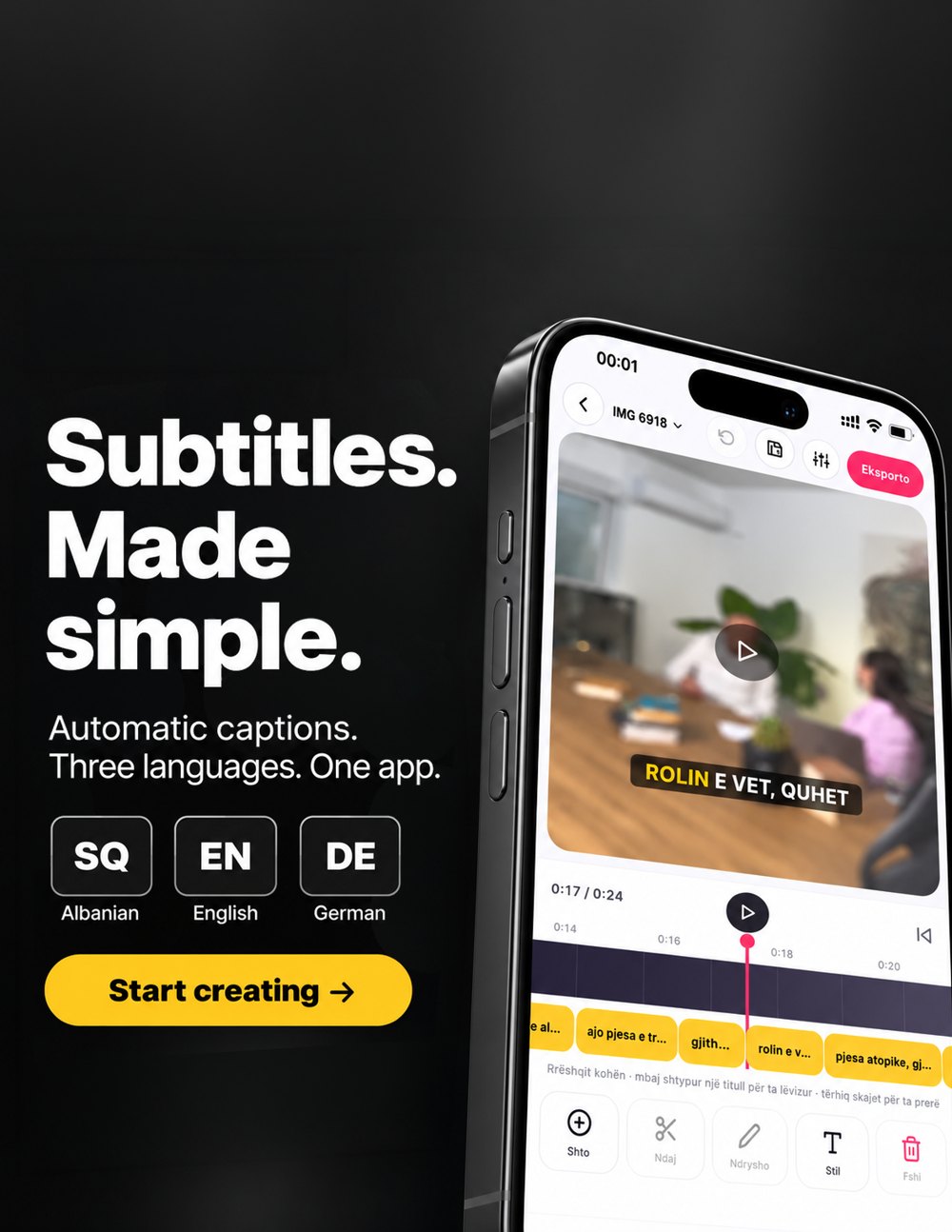
Subtitles, made simple
Automatic captions in three languages, in one app.
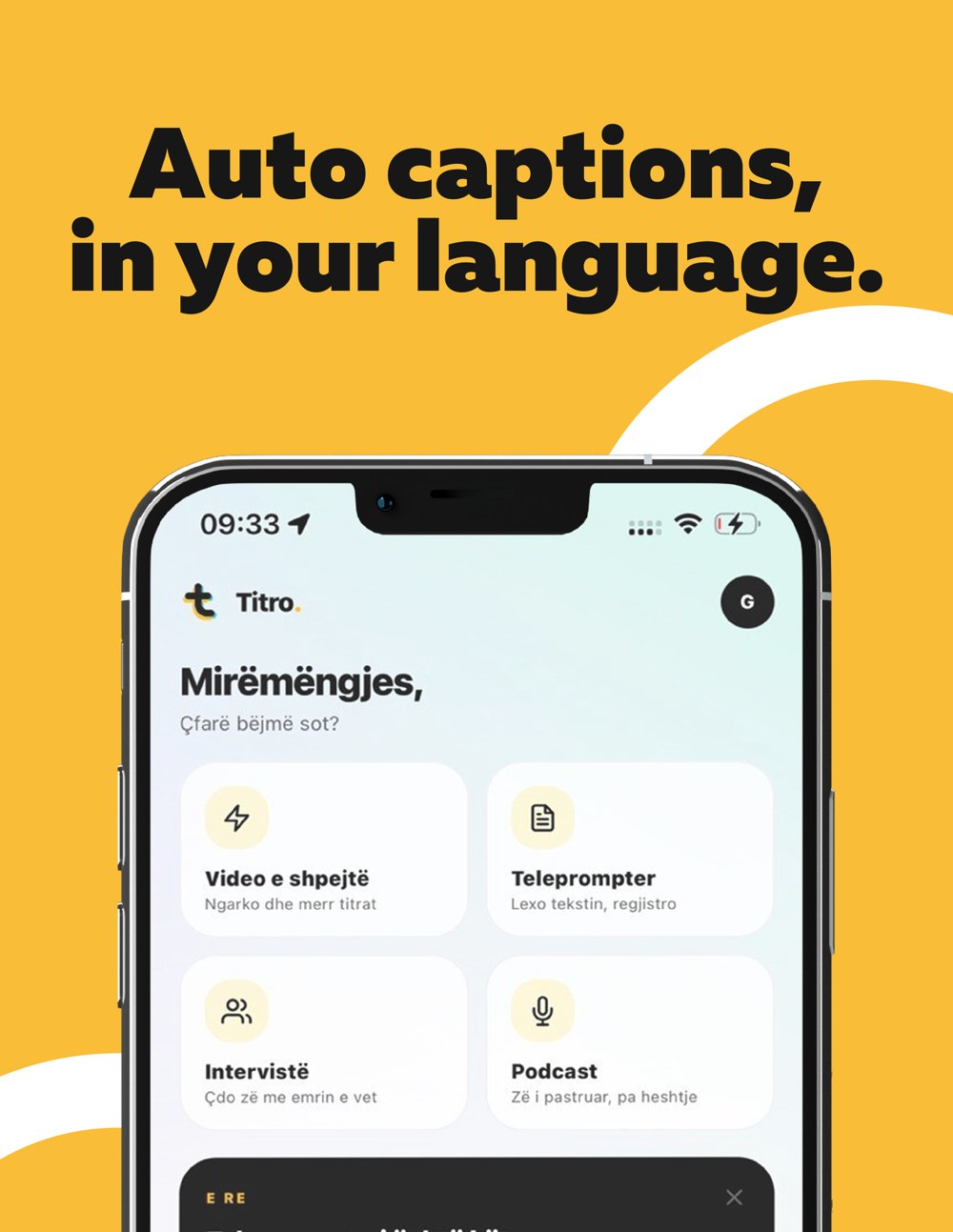
Auto captions
Captions in your language, timed to every word.
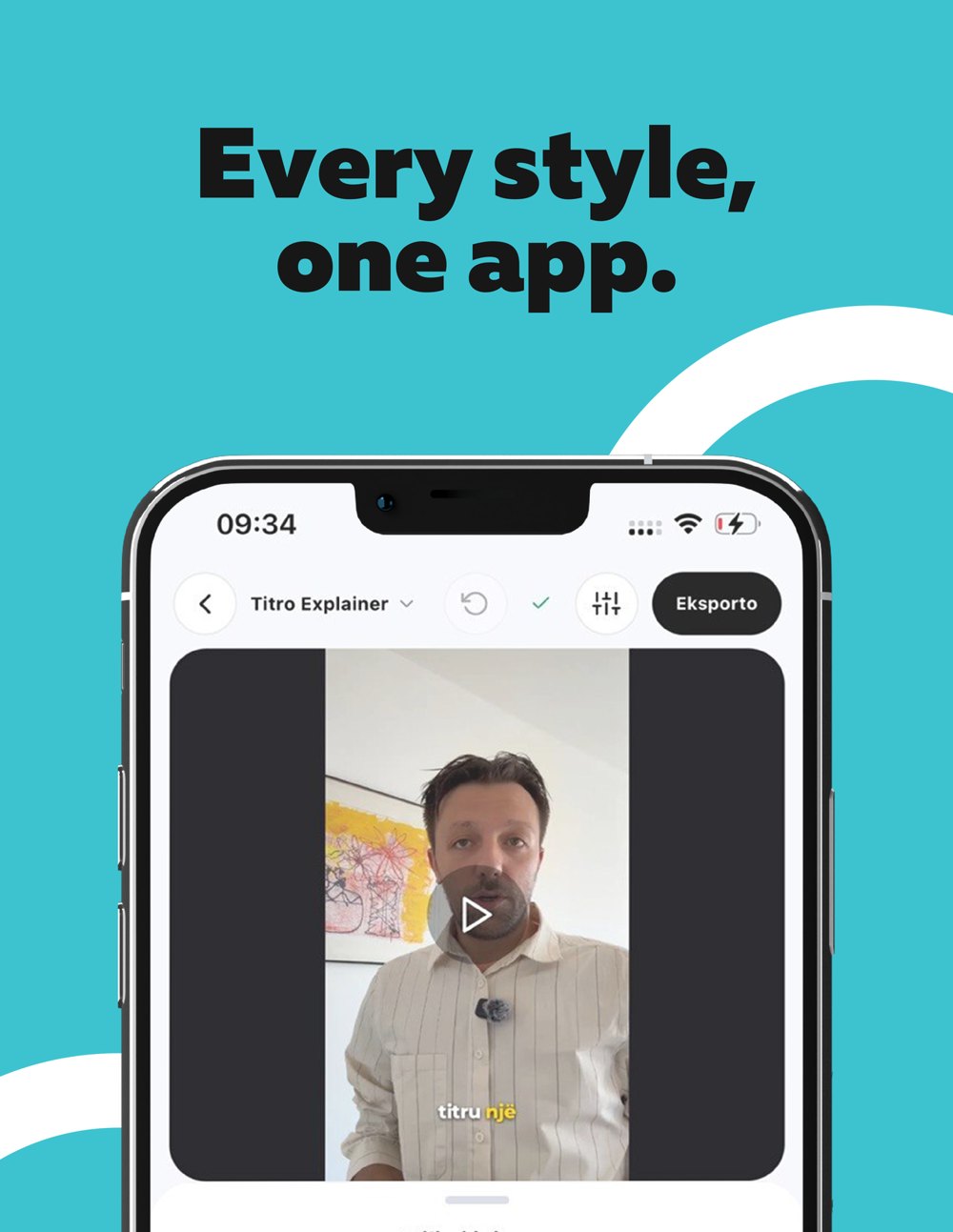
Every style
Caption styles and effects, one tap each.
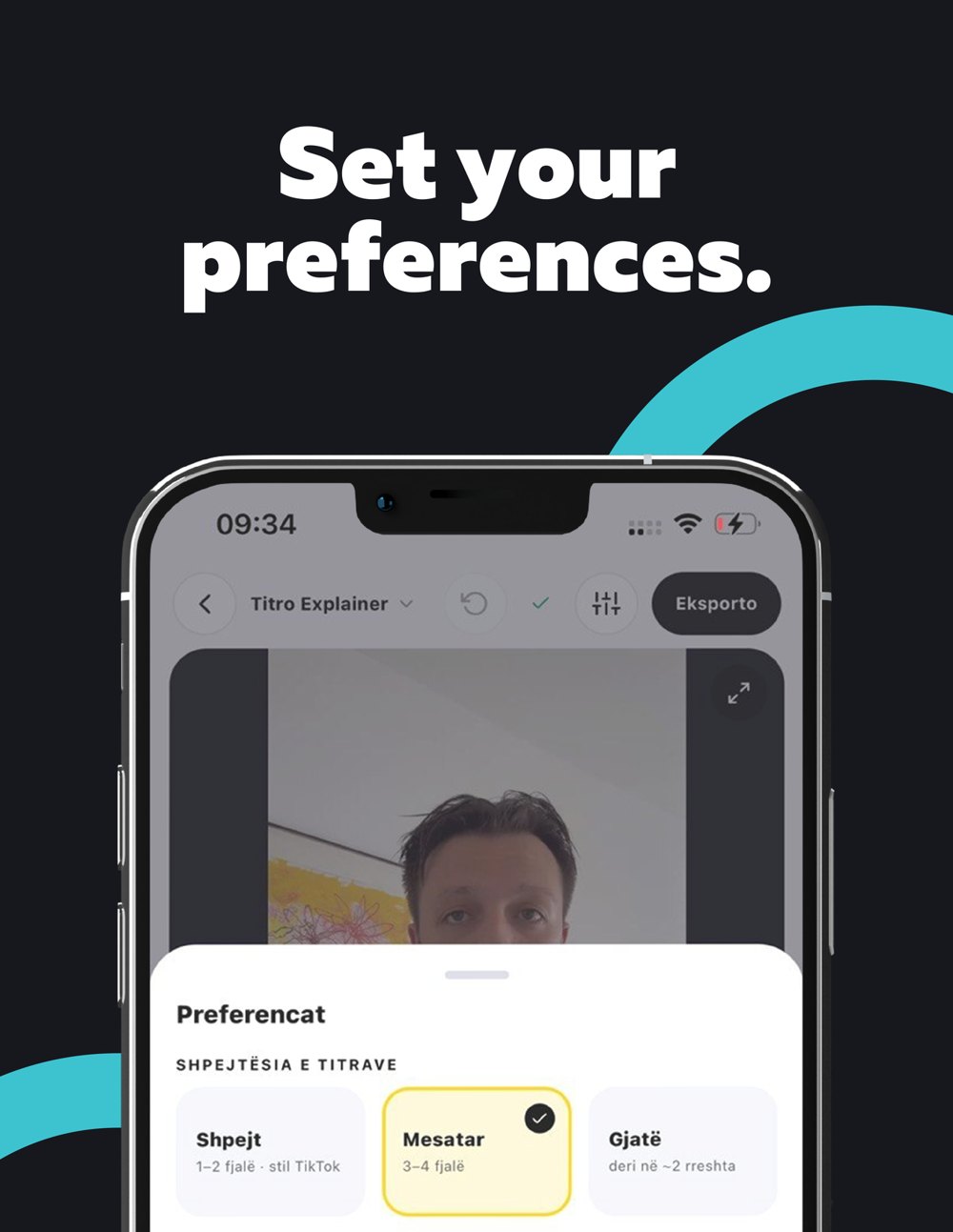
Your preferences
Pick the speed, the caption language and the style before you start.
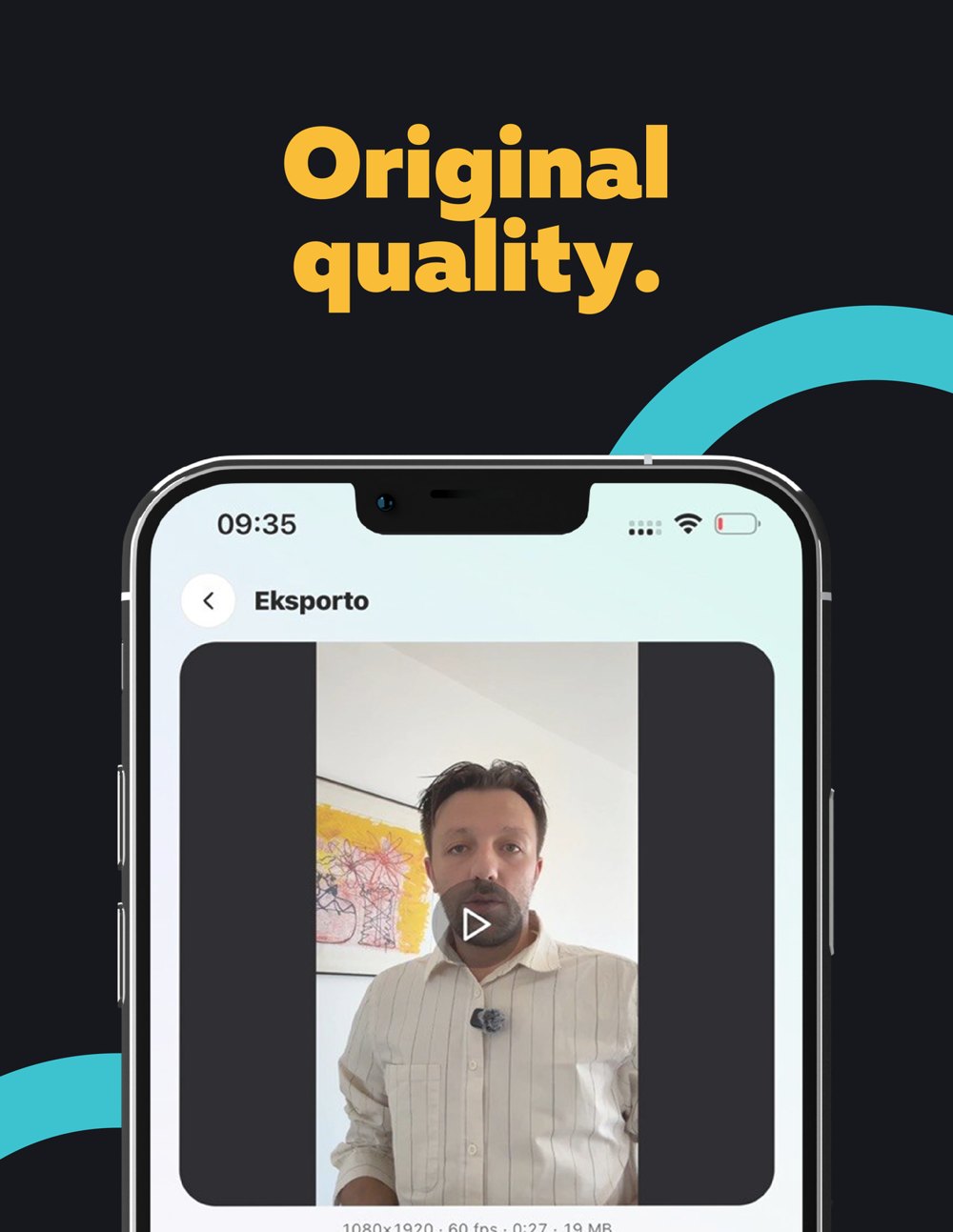
Original quality
Export the finished video at its original quality.
Other projects
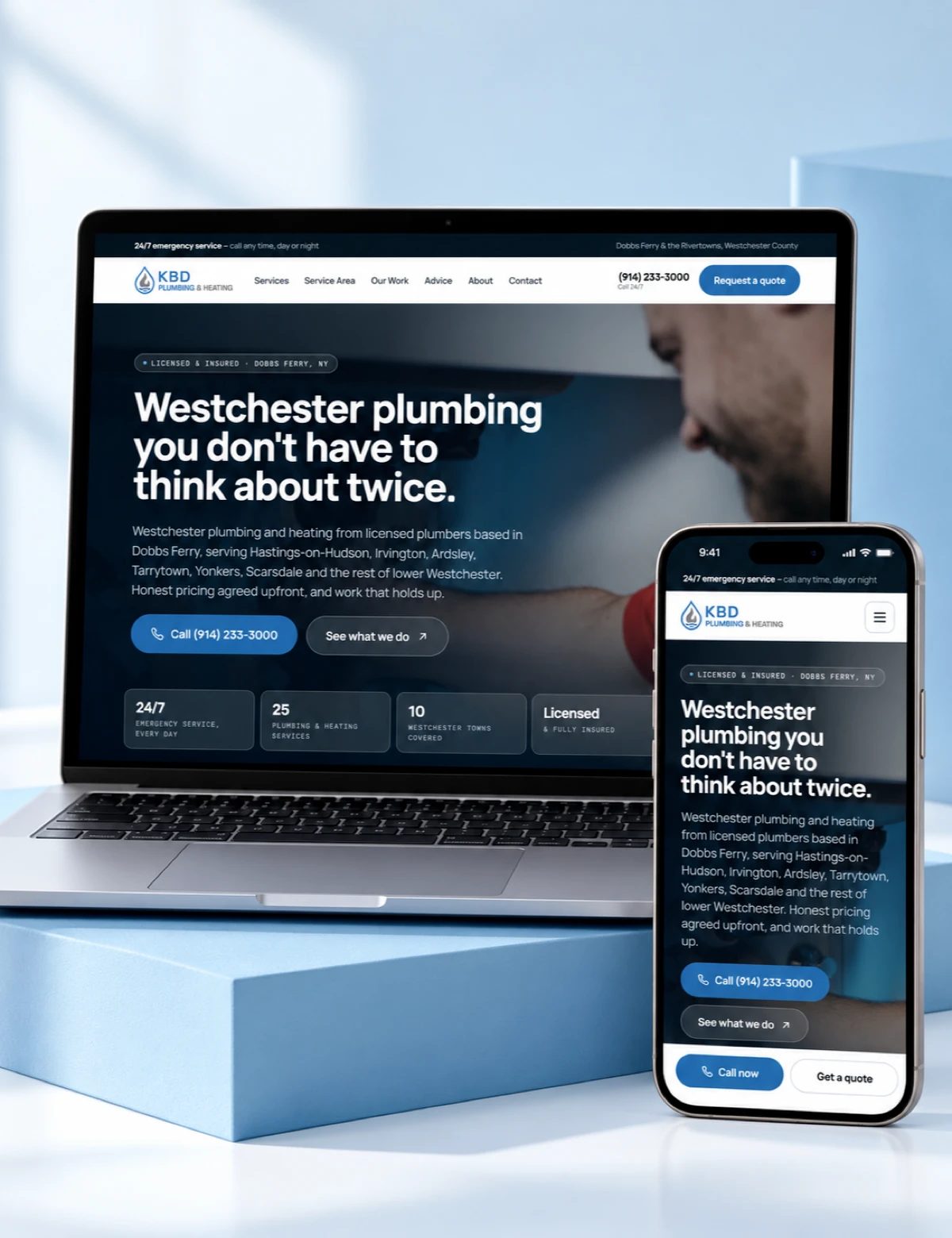 KBD Plumbing & HeatingDobbs Ferry, NY · plumbing & heatingRead the case study →
 The Sterling GroupInspections and appraisals · New JerseyRead the case study →
 Central Jersey Property MaintenanceCommercial property maintenance · Cranbury, NJRead the case study →
 Wander BalkansAdventure tours · Peja, KosovoRead the case study →
 Traverse3D terrain maps for the backcountryRead the case study →
 Freeride AlbaniaCat skiing · Accursed Mountains, AlbaniaRead the case study →
Tell us what you sell.
We reply within one business day, starting with a free review of your ads and the page they land on.
- You send the basics. What you sell, your site, and what it should do better.
- A partner reads it. Your ads and the pages they land on, from public information.
- You get a reply in one business day. What we would fix first, in plain English.